

Gift-Giving Guide 2012: Less Proven Approaches
Continuing our Gift-Giving Guide by Kris Zyp. Catch up with the first and second posts here. Enjoy!
Justice
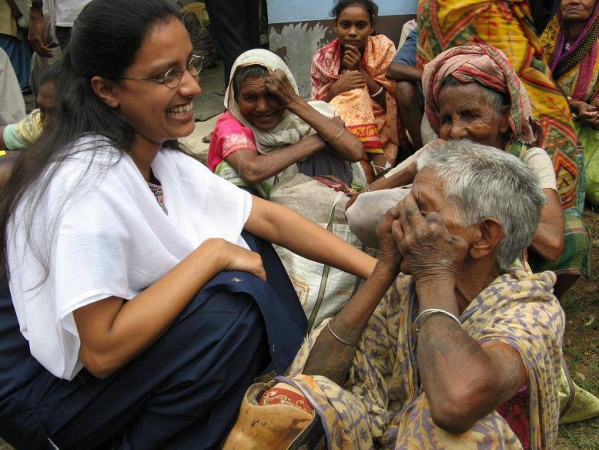
Many may wish to pursue a goal of not simply providing poor with alleviation from the problems of health and poverty, but providing them with justice. Certainly, justice is a critical component of society for productive, healthy, free, and happy lives. Justice can be an ambiguous term, with different meanings depending on who you ask. In the broad, social meaning of the term justice, virtually every effort listed here contributes to greater justice, combating the injustice of poverty and inequality. But in a narrower sense of restraining specific individuals and organizations that are engaged in oppression against others, justice is being pursued in very focused way by certain organizations. One group that stands out is the International Justice Mission (IJM), who works in various countries to rescue and prosecute perpetrators.
However, there are some specific reasons why this approach lacks proven credibility in significantly benefiting the poor. First, the number of people rescued per dollar spent through IJM is very low compared to other projects that are recommended. If we look purely at rescues, the return on investment is disappointing, dozens of lives can be saved through bed nets for the cost of one rescue through IJM. However, the theory behind much of IJM’s work is that the impact of prosecuting one perpetrator will go far beyond that single case, and will be a deterrent or set a standard for many other situations. The impact of setting a standard of justice could in fact be very significant, and be the type of push that bring broader access to justice for many. Unfortunately, it is very difficult to assess this type of impact. Furthermore, many of the activities of IJM are at least partly focused on fighting corruption. However, studies on corruption have found surprisingly low levels of correlation with reduced economic growth. While donating to IJM could have some significant impacts, there is not enough evidence for this to be a very proven strategy.
Micro-finance
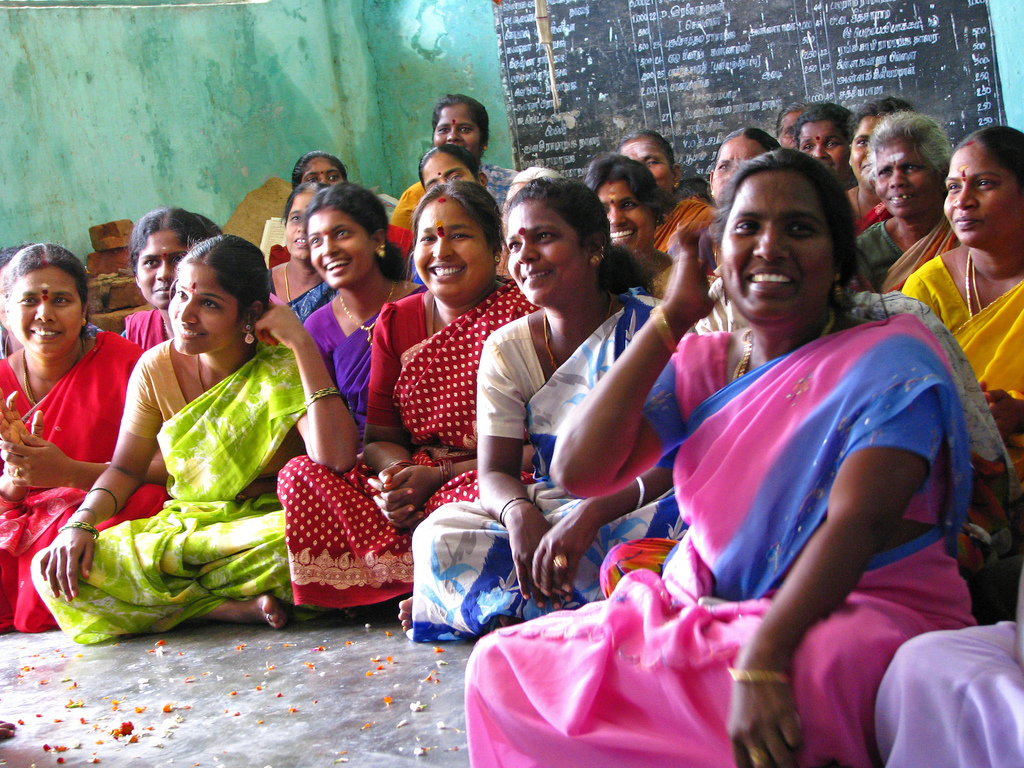
Microfinance has become very popular in recent decades. There are a couple of key advantages to microfinance. First, rather than simply being a gift, it empowers an individual to build a business and become more financially independent. This, at least in theory, enables someone to live beyond dependencies, rather than become more dependent. Second, microfinance loans are usually repaid, and donated money can be reloaned over and over. Donations can have a long lasting impact in empowering many individuals, rather than just being a one-time gift.
However, microfinance has come under a lot of criticism recently. In some areas microfinance has had been very helpful in lifting people out of poverty, but in other regions, microfinance initiatives have had little to no effect on poverty. Often microfinance can give a small business a small boost, but moving beyond a single person company to having employees, and creating significant economic activity, can be a very difficult hump to overcome. There are even unintended consequences; another recent study showed that microfinance can increase child labor, as parents attempt to take advantage of the temporary financial opportunity.
Because of these factors, microfinance has potential to make a big impact, but it is highly variable, and isn’t a solidly proven aid effort.

Aid Research
Research on what is effective in fighting poverty allows us to develop and fund more effective efforts in the future. This moves us towards a future where organizations are more efficient, we can make more informed decisions about what to fund (so posts like this one are better informed!), and where wasted efforts can be avoided.
My pick for an organization in this area is Innovations in Poverty Action. This is not a Christian organization, but they are doing remarkable work researching effective efforts, leaning heavily on randomized control trials. In fact many of recommendations in the guide are based on the fruit of research activity that has given us a much clearer idea of how to truly have a positive impact for the poor.
Giving Advocacy
Another type of charitable activity is the “marketing” aspect. Businesses are usually very keen to the important returns that are generated by good marketing. Likewise, investing in efforts to advocate for the poor can generate significant funding as well.
Currently one organization that we have been working with is Live 58. They have produced an excellent film (http://www.live58.org/about/
International Aid and Justice Advocacy
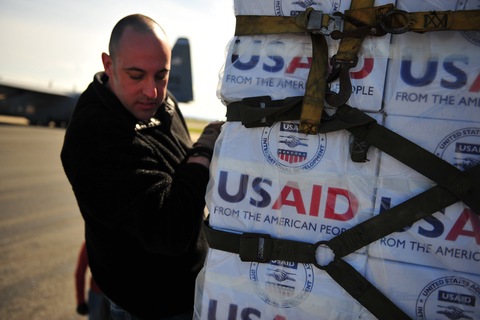
International aid from governments far exceeds private funding, and in many areas certainly represents the bulk of the effort. Advocacy efforts can have a big influence on our representatives’ willingness and commitment to continue these funds. In other sectors, such as energy, pharmaceutical, and defense companies on lobbying because the simple (and probably unfortunate) reality is that the evidence indicates these investments pay off in spades. Some studies suggest (http://www.npr.org/blogs/
{Is your head spinning? I know, it can feel overwhelming. Again, digest what you can and continue to stretch your heart and mind, allowing God to lead you. Bathe everything in prayer. Thanks for reading; I’m learning with you.}
When you're not moving. At all.

I hadn’t been on a Ferry since I was a kid. I had memories of standing on an open-deck, leaning over a rail, sea-breeze blowing my hair, looking out at some beautiful Canadian vista. So I was excited for the Ferry over to Whidbey Island.
We thought we’d catch the 4:30pm Ferry, just in time to catch the sunset as we crossed over.
We caught the 6pm Ferry. Pitch dark. Couldn’t see a thing.
We walked up to the upper-deck, which was all enclosed and resembled the DMV–people looking depressed, sitting around waiting. I sat down and opened my book and waited for the Ferry to move.
But we just sat there. And sat there. When will we take off from shore? I wondered. I could hear the motor whirring, but we never moved. I squinted my eyes to look out the window, but everything was pitch black. We just sat there, never moved.
Then, just when I thought I’d go crazy sitting there, not moving, a voice came over the intercom: “We have arrived at Whidbey Island. Please return to your cars and disembark.”
Huh? We were moving that whole time and I didn’t even know it? How could I not feel it?
Apparently, the Ferry is so big that you can’t even feel it move. Unless you can see out the window, it’s impossible to tell whether or not it’s moving. And since it was dark, I just couldn’t tell.
I thought we were just sitting still, but next thing I knew we were there.
It’s sounds cheesy, but isn’t that true with God too? Lately everywhere I turn I hear stories of how God does more than we can ever imagine, but it takes longer than we expect. As I read The Circle Maker and Rees Howells, Intercessor and watch men like Richard Stearns (who didn’t step into his “calling” until age 47) and realize that so often we feel like nothing is happening. Years go by and we wait and pray and wonder where on earth God is. We pray and wait and look around and wonder, Why aren’t we moving??
But then, just when you lease expect it, a voice alerts you:
You’re there.
It’s done.
All the time we thought we were standing still, God was really moving us right along, without us even knowing it. And if a Ferry is so big that we can’t feel the movement, imagine what it’s like to be traveling “on” God!
He’s so big we sometimes can’t even feel His movement until the whole journey is over.
For me, this just speaks encouragement. When we feel like nothing’s happening, keep trusting, praying, and relying on the God of the unseen.
It might be dark outside, but God is big, and He’s faithfully moving us along.
Trusting Him, with you. Thanks for reading.
Because we really don't know how long the trip will take …

True story:
A few years ago we were out to dinner in downtown Portland with family the day before Thanksgiving. We were supposed to pick up Jeff’s brother at the airport later in the evening, and knew traffic would be bad. So, halfway through dinner, we checked Google Maps and clicked “show traffic” to give us our estimation. The route was red the whole way up, and the estimate was:
4 hours.
No joke. 4 hours. What on earth? We were only about 10 miles away, how on earth could it take that long? We shook our heads and figured traffic must be horrendous out there. After weighing our options we realized there was no way we could get Jeff’s brother in time, so we texted him and asked him to hop on the Max and come to us, as it would be 4 hours before we could make it to PDX. About an hour later, he arrived, found the Max, and traveled across Portland with his wife and two small kids, finally arriving at Pioneer Square at 9pm.
Meanwhile, we finished our dinner and made our way outside to find our car. Surprisingly, we saw no traffic. We pulled the car out and started making our way along the street.
No traffic.
We picked up Jeff’s brother, navigated our way home, and, to our surprise, made it home in 30 minutes.
No traffic.
How could Google Maps be so wrong? Finally, a little light went on in my mind. I picked up Jeff’s smart phone. Turned it on. Looked closely. Yup:
Walking Directions.
Yup.
We’re still laughing. I love that instead of just looking out the window of the restaurant to see the traffic, we relied so heavily on our Google Maps that we had no idea what the reality was.
The truth is: There’s just no way to know how long it will take. No one can tell you. And the best bet is to just get out there and get on the road.
We discovered this on our road trip last week as well. A 5-hour drive turned into a 6-hour drive because of an unexpectedly long Ferry wait. I had our departure time mapped out down to the minute, and yet the reality is We can make great estimates, but there’s just no telling how long it will take.
But there’s good news.
God has enough grace for however long the journey is.
I’m a hopelessly optimistic estimator.
Things take a long time. It takes a long time to build a relationship, to write a book, to train kids, to establish rapport and build trust. Everything worth doing just takes a long time. And the truth is, We don’t have any idea how long it will take. When we’re on a journey, in our efforts to control, we’ll usually try to find answers, estimates, methods that make us feel like we know what’s ahead.
We can spend all our time trying to figure out how long or how hard the journey will be.
But the best bet is just to get out there and get on the road.
Love whoever’s in front of you. Do the next thing. Accomplish the task at hand. Finish the chore. Make the current relationship right. Say you’re sorry first. Instead of sitting around trying to figure out the future, we’re better off just getting out there on the road and trusting that God has enough grace for however long the journey is.
I guess that’s the moral of the story. Oh, and be sure to click “Driving Directions” next time you use Google Maps. Thanks for reading.
How to be a good friend (Happy birthday, Janae!)
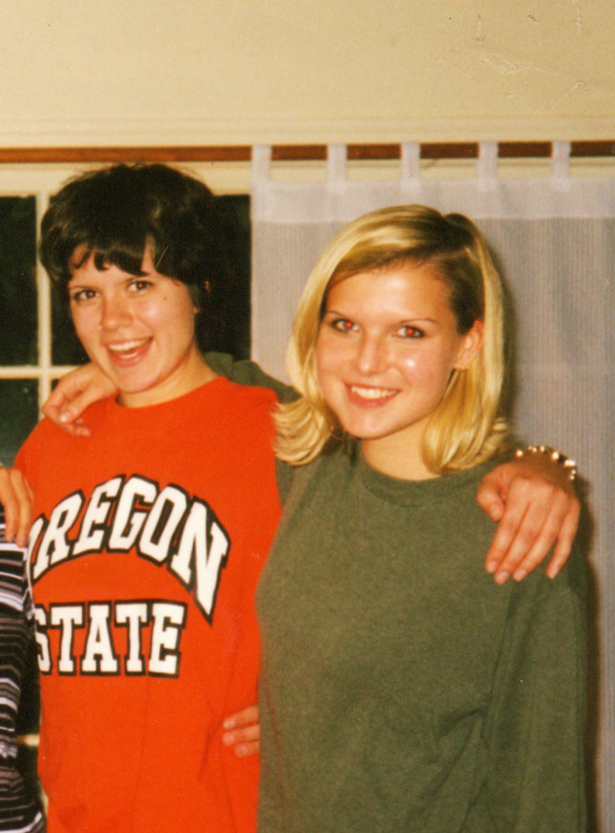
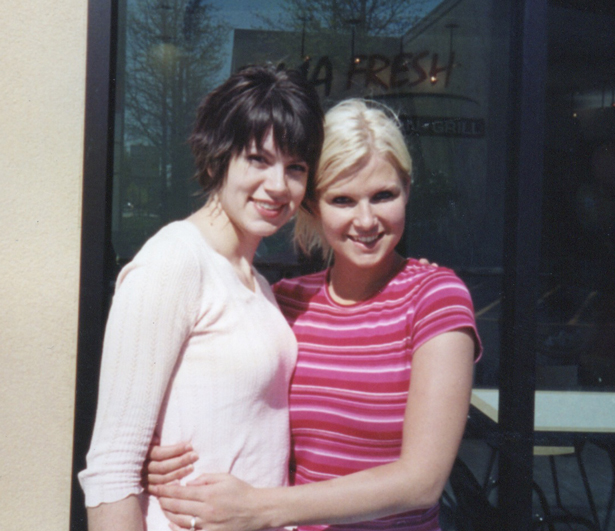
Today I am celebrating my lifelong friend, Janae. We have literally been friends from birth, as our parents and brothers were friends before us. As I perused through some old photos, I kept thinking how there’s just nothing as precious as an old friend, one who knew you during your awkward stages, poor choices, victories, and everything in between. But the only way to have an old friend is to spend a long time with a new one. So here’s a few ideas — learned by watching the wonderful friends around me — for forming great friendships. (And a few fun photos for celebrating Janae! Yes, that’s us as cheerleaders. Oh dear, I love you Janae!)
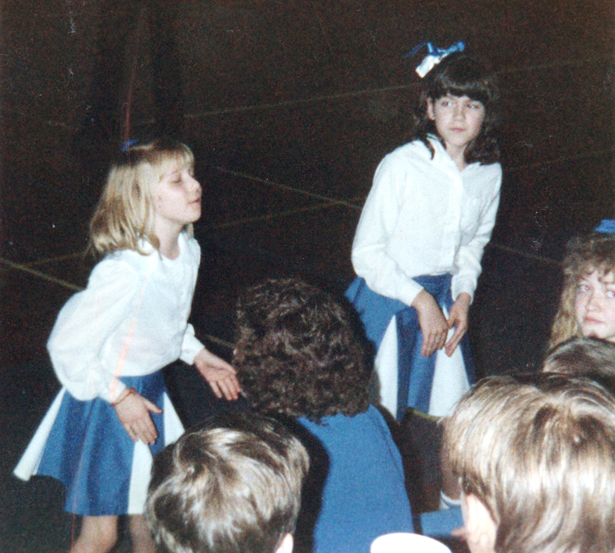
- Be DAILY filled up by God. We all know it’s true. Needy people make others run for cover. No one wants to be sucked dry, and when we aren’t filled up by God we automatically turn our straws to someone else and get our fill. People full of God’s presence and joy are attractive to others.
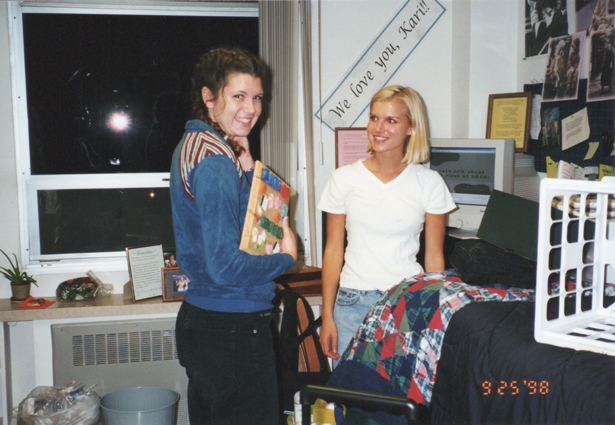
- Be mindful about first meetings. How sensitive are you to those you meet for the first time? Do you ask, when you meet them, whether it could be that God has a reason for bringing this person across your path? Also in first meetings, consider for a moment your own person and presence. How do you carry yourself? Does your body language say, “Welcome!” Or “No, thank you.” At church, sitting in an empty seat, do you keep your head down, studying the bulletin, or do you look up and around, watching for anyone who needs a place to sit. When you see people, do you smile? Do you look them in the eyes? Do you use appropriate touch and warmth? Proverbs 18:24 says, “he who has friends must show himself to be friendly.” Seems common sense, yes? Are you friendly? Ask a friend (hopefully you have one!), Am I friendly?
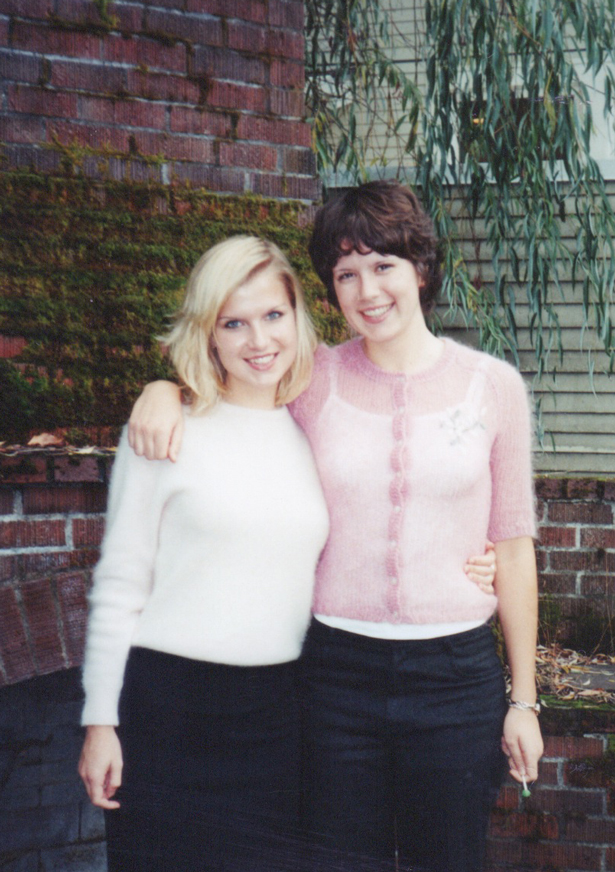
- Remember names. Our own name is the most important word in our vocabulary. Remember Hagar? God spoke to her by name, and often that is all women need to know they are accepted, remembered, included. Remember names. 3 John 15 says, “Greet the friends, each by name.” Say your friend’s name. Write it out when you type her an email. If you do forget someone’s name, stop and ask her name again instead of just ignoring and not using it. (And while you’re at it, help a sister out and if you’ve met recently, offer your name again for her so she’s not embarrassed if she forgot yours. That’s part of loving her.)

- Be careful who gets a straw. Remember “that post about milkshakes”? Some of us already have too many friends and may need to scale down to make sure our families are thriving as well.
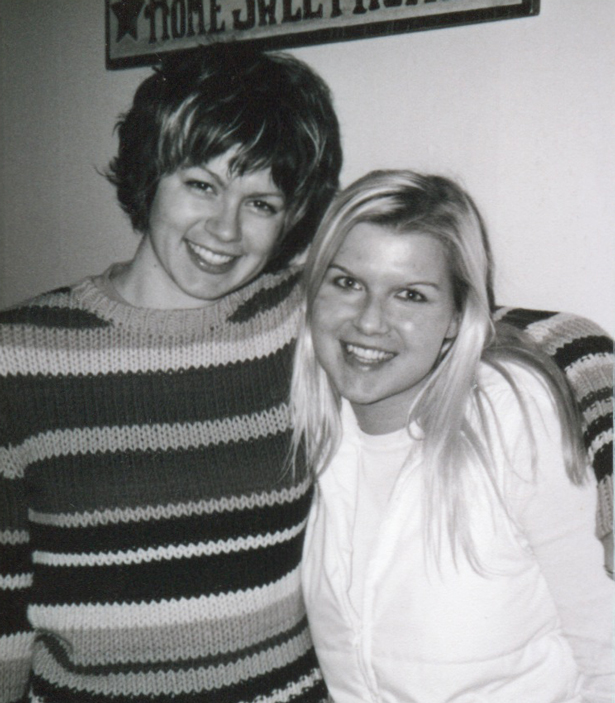
- Be honest. (In love!) Proverbs 24:26 “An honest answer is like a kiss on the lips.” Maybe this is a given, but no one wants a fake friend. Perhaps I’m a bit sick in this respect, but I’ll admit there are times I’ve literally wanted to stop someone and say, “Ok, please just tell me you have some area of weakness or struggle because otherwise I’ll never want to hang out with you again.” On the flip-side, we also don’t want loose-cannon friends who blab every dark thought that comes through their mind, yes? Dear me, discretion is godly!
- Be vulnerable. This is certainly related. Now, I do not mean we all have to hang out our dirty laundry the first time we meet someone. But vulnerability is very attractive. At the root of this is humility and confidence. When we’re humble we can be confident and when we’re confident and secure we have the courage to be vulnerable. Sometimes the best gift you can give a friend is sharing a piece of yourself with her, seeing and recognizing when our friends need to be needed. If you’re the one always giving, listening, loving, think about opening up and being vulnerable in appropriate ways.
- Be careful. That said, be very very careful. Ephesians 4:29 says “Do not let any unwholesome talk come out of your mouths, but only what is helpful for building others up according to their needs, that it may benefit those who listen.” THINK. True? Helpful? Inspiring? Necessary? Kind?

- Listen. We’re all terrible listeners. I’d argue that the single best way to bless those around us is to listen. Note: The goal isn’t to “be a great listener” the goal is to listen. Check out The Lost Art of Listening!
- Be reliable, dependable, loyal, faithful. Simply treat them the way you’d want to be treated. Be on time. Return phone calls. Do what you say you will do. Believe the best. Forgive. (Ugh, I’m starting to feel convicted …)
- Be purposeful. This is the best way to decide who to be friends with: Who makes you love Jesus more? Who makes you want to be like Jesus more? Who leaves you feeling full, inspired, courageous? Or, conversely, who sucks you dry and leaves you feeling negative?