

The palette of grace

I love stories. Life is story. God’s Word is the story of stories, the most majestic tale of love, loss, tragedy and victory that ever was told. And in God’s Word, He pulls no punches. He tells it like it is. And I love that. I love truth, love to see God’s super natural power intersecting our daily lives. And, well, I just love to tell stories.
This probably annoys some people, but I tend to think that everything is a fun story. So, I will tell about an odd encounter at the grocery store as if it were headline news. My dad is the same way. He can turn the stupidest event into a story and somehow make people listen. And, interestingly enough, I can already see this in my son. Everything is a larger-than-life adventure to him.
So while there’s nothing wrong with telling stories, I’ve been thinking lately about the weighty significance of how we tell them. For example, a few things recently have made me realize, Wow–there are definitely two sides to every story! So let’s say we have an event. There are two people involved, person A and person B. Person A sees it from her perspective, person B sees it from his perspective. They disagree. Then, here’s the scary part. Person A tells the story to another person, person C–and she emphasizes that part that she wants to emphasize. It’s still the truth, but it’s dramatized from her perspective. So now it’s interpreted by person C as a major mistreatment of person A. Now person B tells the story to another person, person D from his perspective, but heightened emphasizing the part that he wants to emphasize. Now person D interprets based on this heightened story, and it seems a major mistreatment of person B.
What began as a slight difference of opinion has just become a gross injustice.
What’s scary is that this happens all the time. Every single time we say something, we paint a picture. We paint pictures of each other, of circumstances, of events, of stories. We go around, all day long, every day, painting pictures. We use our words to paint: We paint those we don’t care for as villains, we paint ourselves as saints, we paint our spouses as one or the other based on what day it is  .
.
And what this all boils down to is humility.
We paint the way we do because of either pride or humility.
Humility chooses to paint others with gentle strokes, a palette of grace, highlighting beauty and diminishing blemishes.
We wouldn’t dare post a horribly unflattering picture of someone on facebook (at least I hope you wouldn’t!) but might we consider painting an unflattering picture of them with our choice of words?
We reveal our pride or our humility by the way we describe those who believe differently than we do. “They have whacked-out views” reveals pride. “They believe a little differently than we do in this area” reveals humility.
God’s Word says that “Love covers over a multitude of sins” (1 Peter 4:8). When we paint with love, we paint in a way that is true, right, accurate, but tinted by the beautiful color of love. We dip our brush into the dye of grace and choose to add an extra hue of forbearance, of humility, of charity. Whether we’re painting our spouse, our best friend, the church across town, or the person who wronged us, we choose to paint with love.
We choose to immortalize a picture of them that they would thank us for.
It sounds funny but when I was praying to God about how this works, about how to describe things and situations fairly, it was impressed on my heart, “Paint them the way their mother would.” Wow. That settles it. No one has eyes of love for my kids more than me.
Do you know that this is what Christ has done for us? He has painted us for the Father. His sacrifice has once and for all painted us with the gracious strokes of forgiveness. His blood painted our picture–creating a masterpiece as perfect as Christ Himself.
He chose to die that we might be painted in a perfect way. This is love.
Lord increase our love. Teach us by your spirit. Lead us in humility. Help us in the way we paint.
Revisiting these thoughts from the archives…
—
{What stories will you paint today and what shades of humility will you use? I pray you choose the palette of of grace, today. Thanks for reading.}
Seven words you may need today.
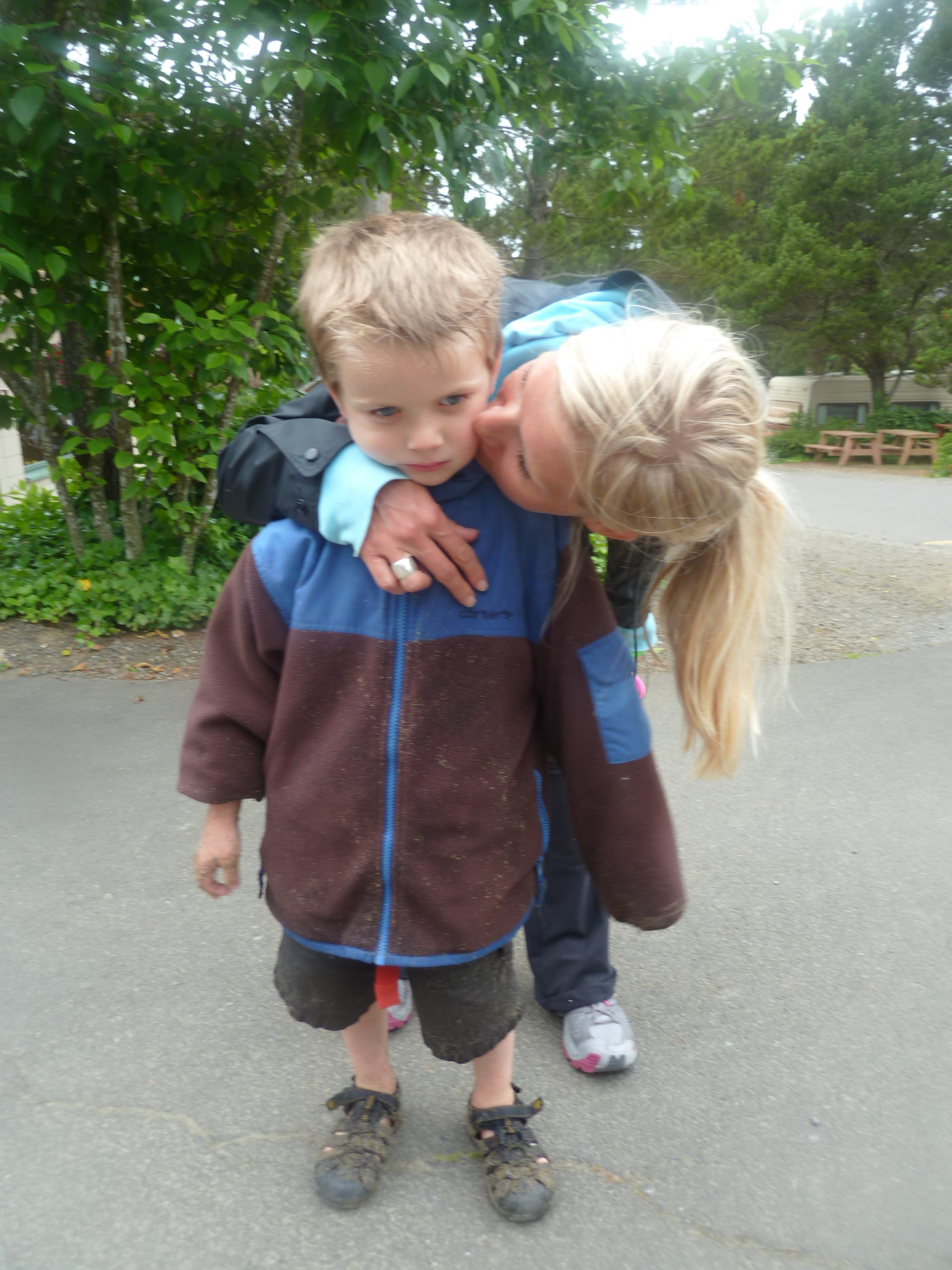 I was wrong, will you forgive me?
The seven most important words for preserving the life of a relationship. I’ve said them countless times to my husband, a number of times to my friends, and a handful of precious times to my children.
Yesterday was one of those times.
Call it spiritual attack. Call it hormones. Call it 10 house-showings in 10 days. Call it Bible-study-starts-in-5-days-and-I’m-teaching. Call it trying-to-write-a-book-and-raise-preschoolers-at-the-same-time. Call it 5 stubborn pounds I can’t seem to shed. Whatever reasons there are, the flesh is the flesh and sin is sin and when my bright-eyed, bushy-tailed 4-year-old came down the stairs that morning his mama was in tears and that’s just how the day began.
Please tell me you’ve begun a day like that too?
The morning carried on and I’m pleased to say I kept the barking to a minimum. Heidi had apparently caught the same grouch-bug as me, so we were quite the couple. The only difference between her and I was that I’ve only slightly risen above throwing myself on the floor and pitching a fit (but I thought about it). So by the time we were late out the door and I was still packing snacks and brushing my teeth (at the same time) and Heidi was still in her jammies, I scurried them into the car and asked them both, in that lovely barking voice sadly reserved for those I love the most, “Will you please not talk right now?!”
I knew as soon as I said it that it was sin — anger. Words that force faces down, words that push away instead of invite. But what was really unfair was that Dutch had been a prince. He had helped Heidi in the car, gotten her books, picked up her fallen toy, tried to comfort her — and when I had huffed and barked, he had sat quietly.
His maturity shamed me.
The thought actually flashed through my mind, “He’s acting more godly than I am right now.” I thought back to a conversation we had had — because he’s always asking, “Who knows more, Daddy or Papa? Who knows more, you or Daddy? Do I know more than Heidi?” He’s very interested in who knows more, so I had explained to him that true knowledge isn’t in knowing facts or things but in knowing God, in being humble and wise and acting in obedience to God. We read Jeremiah 9:23-24,
23 This is what the LORD says:
“Let not the wise boast of their wisdom
or the strong boast of their strength
or the rich boast of their riches,
24 but let the one who boasts boast about this:
that they have the understanding to know me,
that I am the LORD, who exercises kindness,
justice and righteousness on earth,
for in these I delight,”
declares the LORD.
So as we continued down the road, my heart pricked with conviction, of course I turned and spoke those seven words to my children:
“Mommy was wrong. I’m sorry for being harsh and impatient and not speaking kindly to you. Will you forgive me?”
Dutch’s face lit up, his authentic smile spread from ear to ear. He beamed at me and said, “Yes, Mommy! I forgive you! I will always forgive you. I love you.”
And then, in a soft, quiet voice, spoken with respect and a shy smile he said, “For a while there it was like I knew a little bit more than you.”
How could I not smile at that?
I reached back and took his hand in mine. “Yes, baby boy. I’m so pleased with how you’re learning to trust God and obey Him. Sometimes you even teach mama how to do it too…”
Repentance restores relationships.
Forgiveness heals those hairline fractures we cause with our carelessness each day.
Perhaps write them down — these 7 words — and have them handy. You may need them today... 🙂 {Thanks for reading.}
I love you, too

“We love because He first loved us.”
1 John 4:19
Did you watch this video last week? Did you let your heart be reminded that Jesus wants the rose? Friends, the gospel of grace is glorious. When we are crumpled (and who of us isn’t?) He is the one who wants us, takes us in and sees us as beautiful because He died for us.
We don’t uncrumple ourselves first: “While we were still sinners, Christ died for us” (Romans 5:8).
He is always first. His choice came far before our crumpling. And so it means that living a gospel-centered life is simply living a life of response.
A friend shared this thought with me recently and I’ve put it into practice: What if, instead of saying to God, “I love you!” we rather said, each time, “I love you, too.”
Everyday, throughout our day: “I love you, too.”
Aren’t the details of life the whispers of a Savior? Isn’t every sacred mundane day an opportunity for Christ to shower us with His love? And when we wear His Word as our lens we begin to see His grace in all things and can then live a life of simple response.
“I love you, too.”
“I love you, too,” is the appropriate and humble response to the extravagant grace He’s shown us, the love He’s already lavished on us in Christ. That simple sentence humbly bows, empty hands extended. We’ve received and we thank, we love.
Try it this week. Tell Him …
“I love you, too.”
—
{Thanks for reading.}
All you who labor
Come to Me, all you who labor and are heavy laden, and I will give you rest.
-Jesus
A blessed labor day to you, a day for resting in Christ alone … A day for:
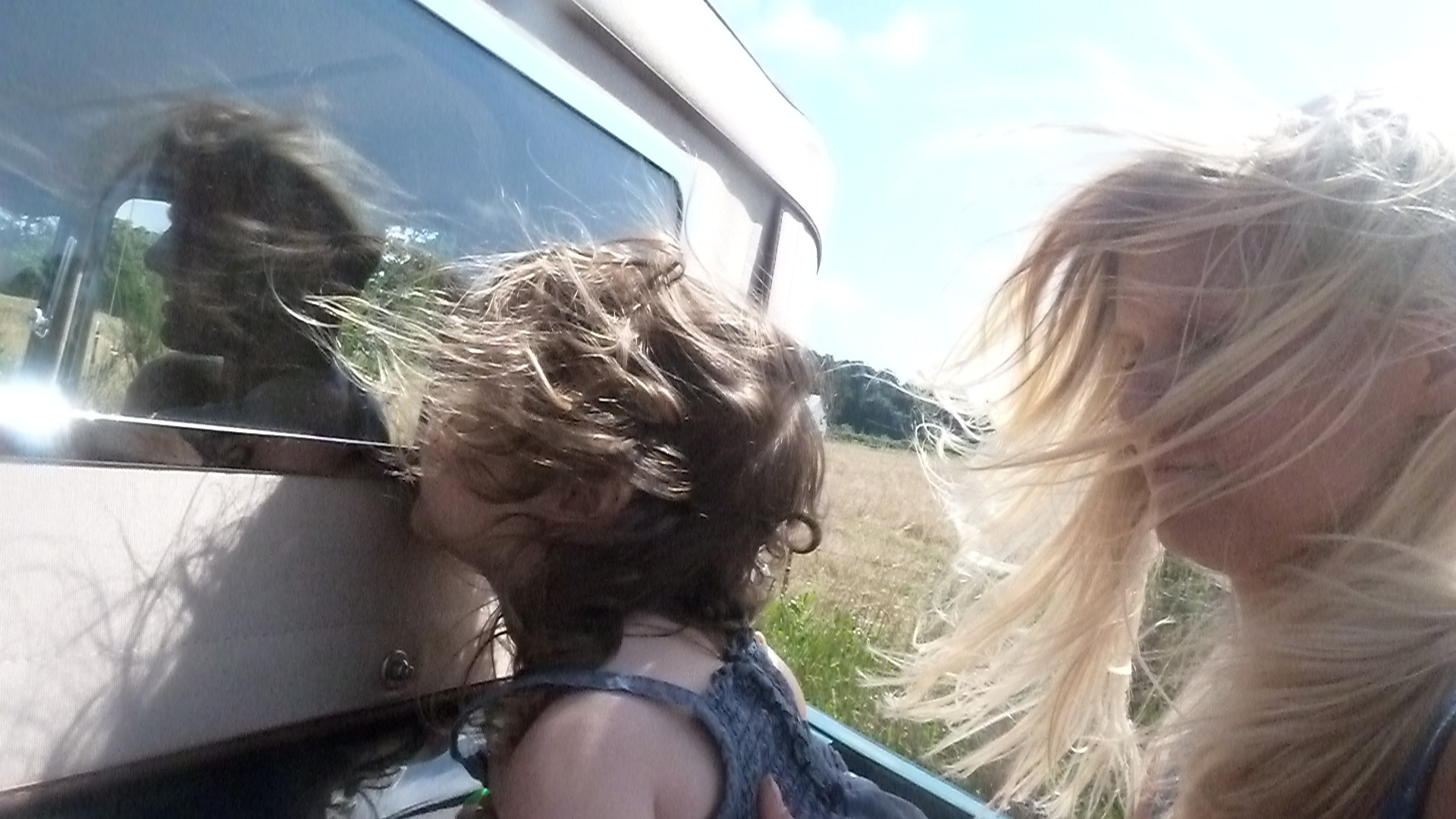
Wind-blown hair in the rumble-seat …
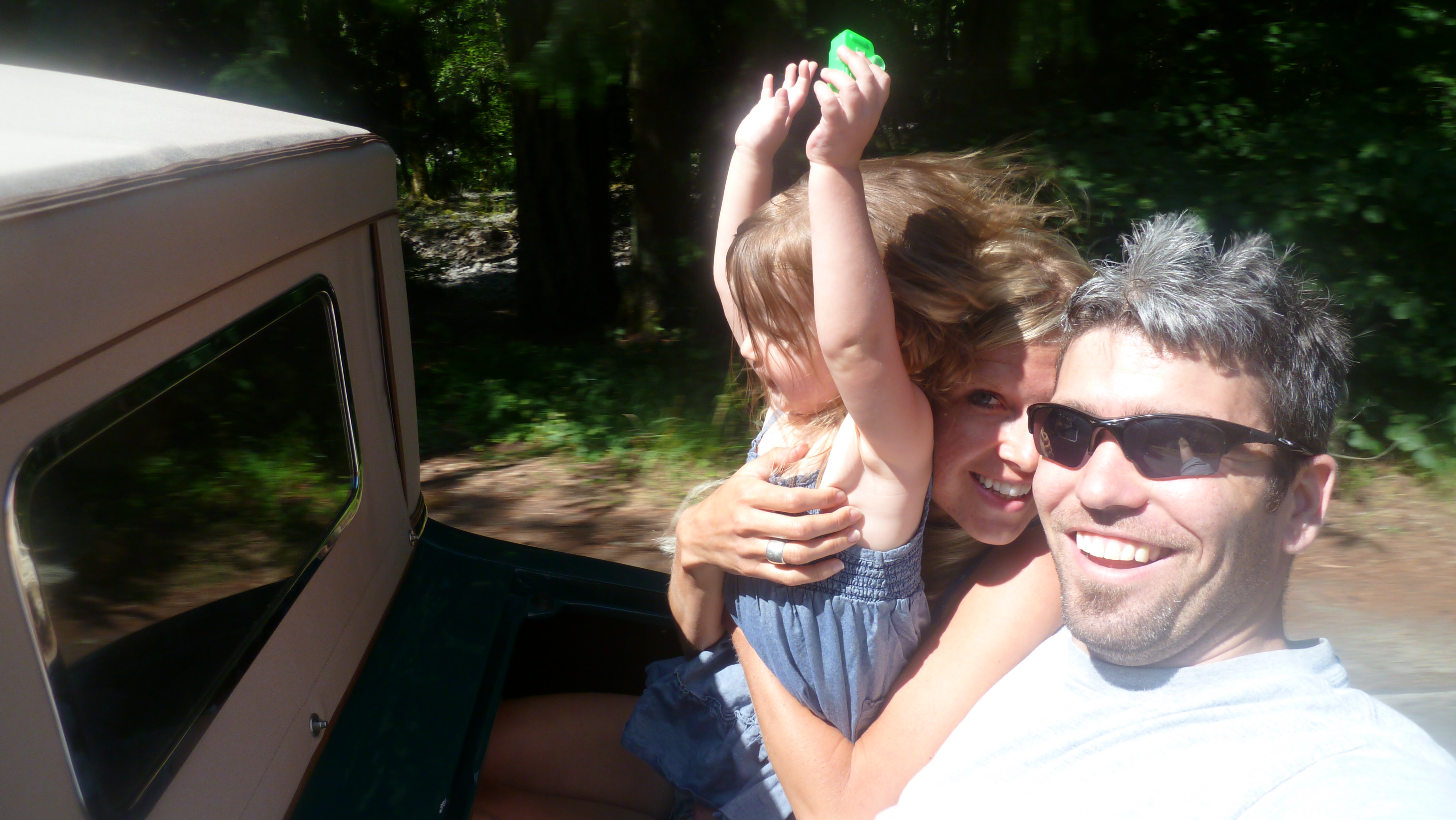
Lifting up arms and enjoying the ride…
Peaking in on ice-cream almost ready…
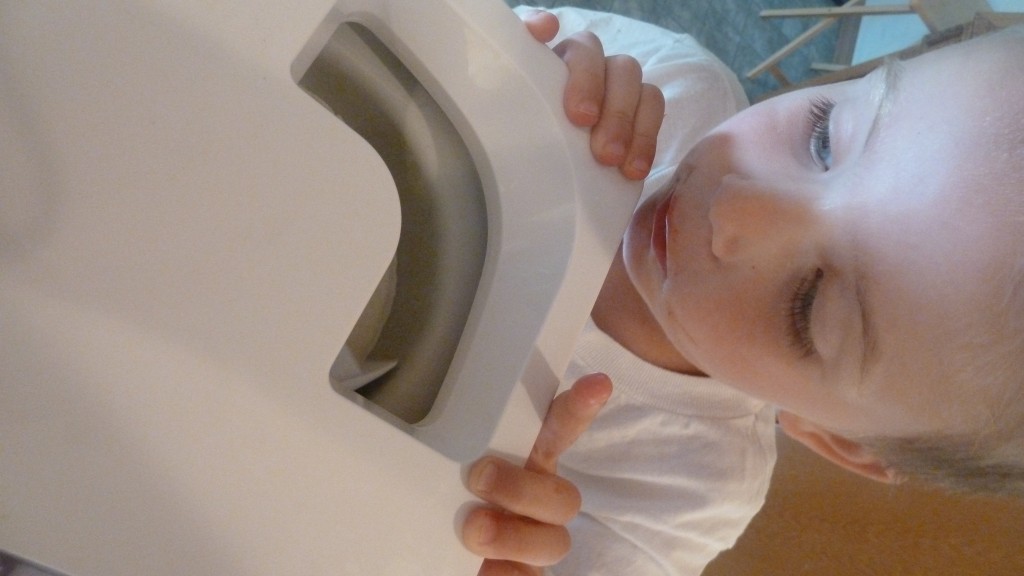
Getting every last lick…
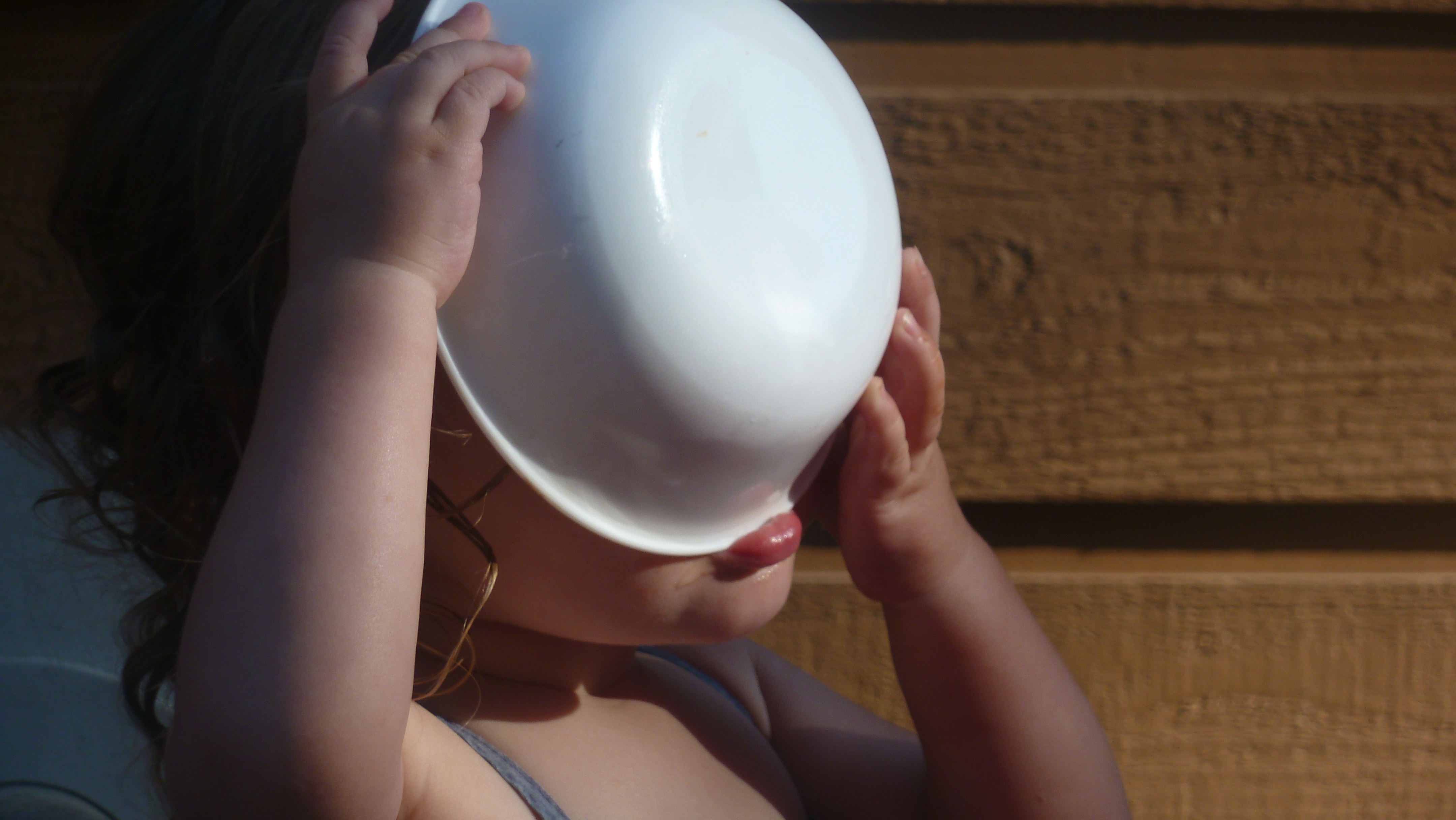
A day for chomping cherries…
A day for long naps…
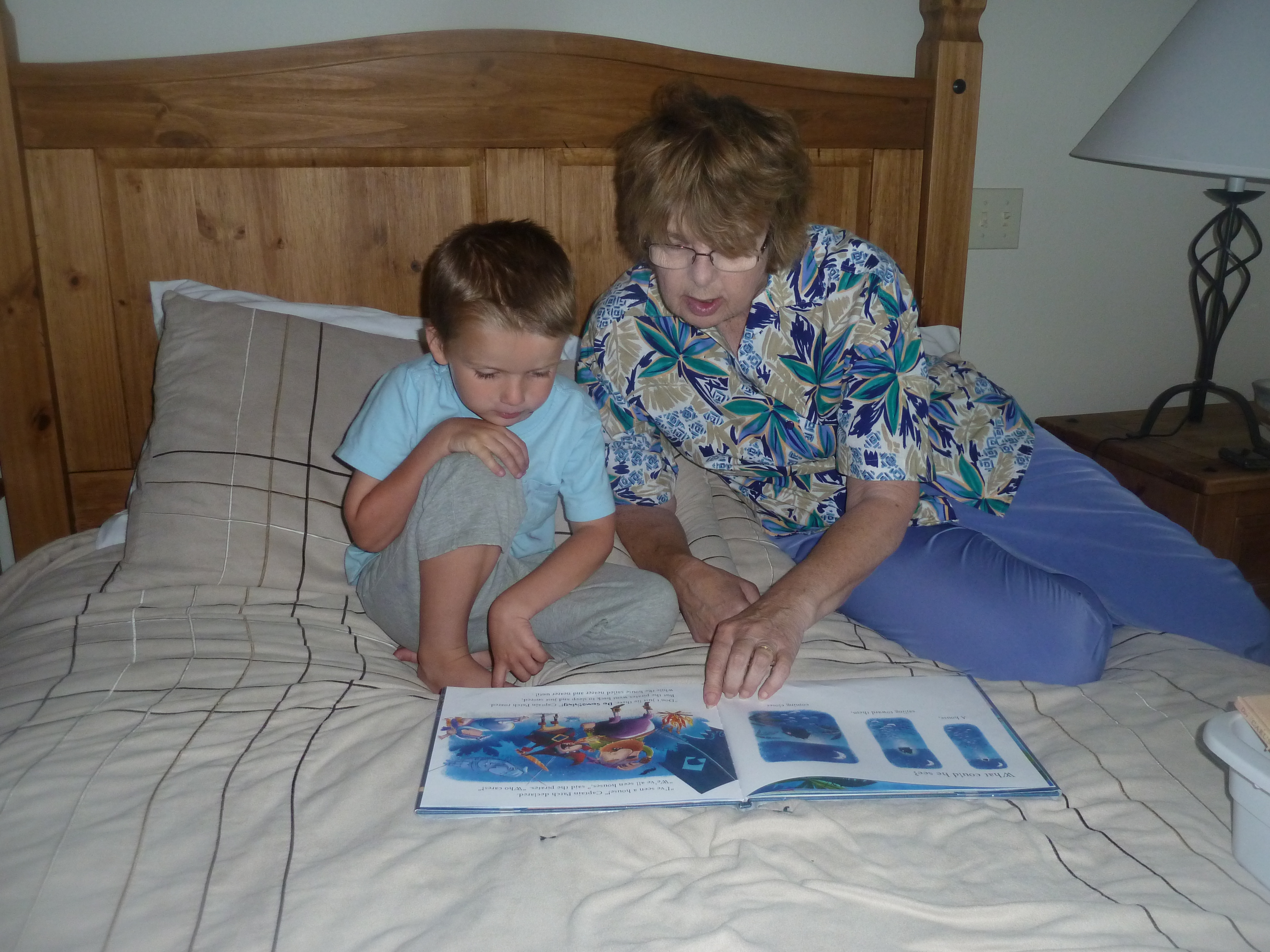
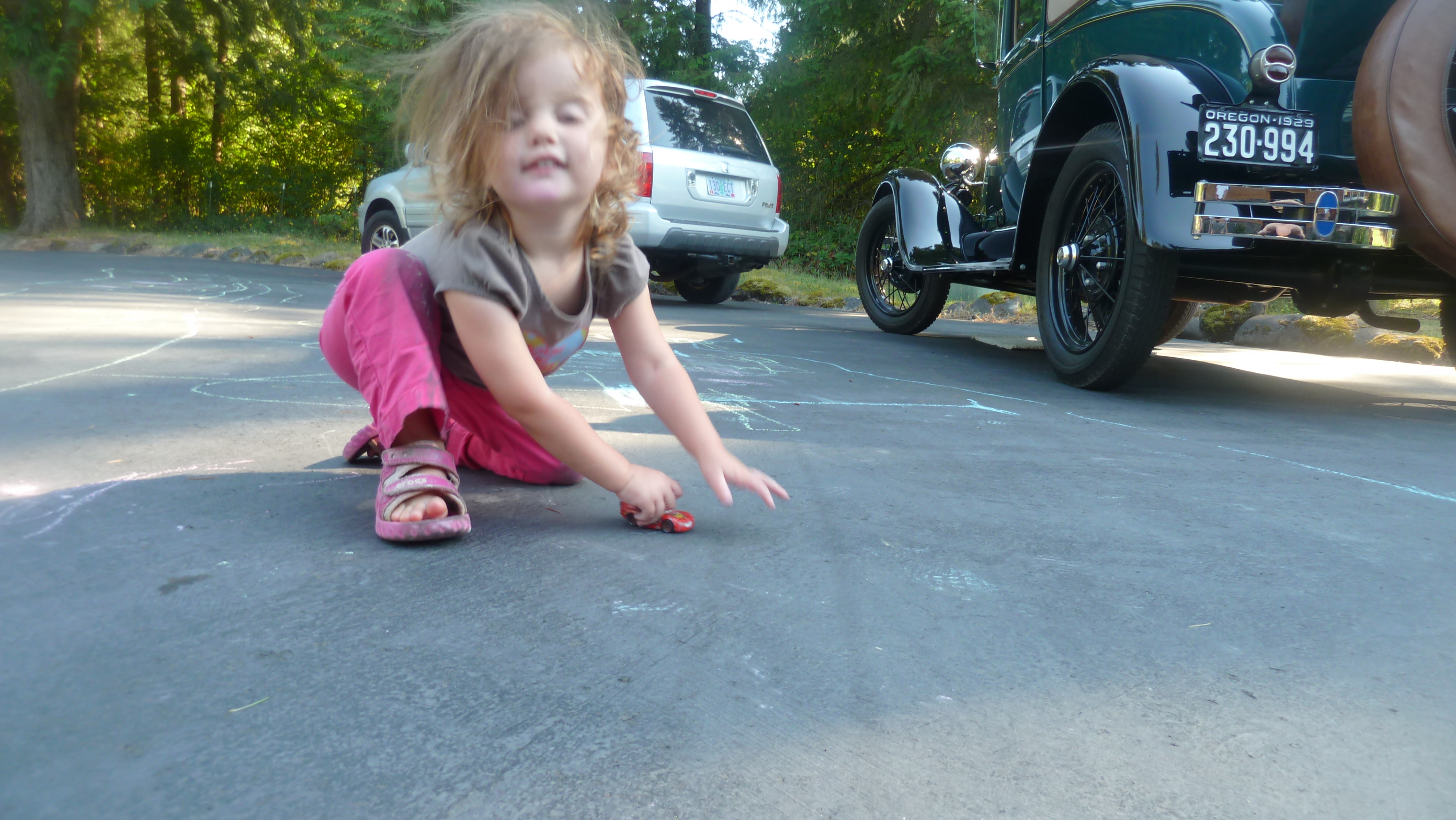
Labor day is for BBQs and no stove to scrub. For paperplates and no dishes to wash. For chalk on driveways and ketchup on fingers. For sitting long and laughing loud. For remembering, in it all, that it is finished. {Which is the reason we labor, and the reason we rest.}