


The hardest part of my homeschool year
I held my breath as I looked at the list. Every single item. It described him to the T. How had I never known? Wordlessly, I slid the laptop over to my husband. His eyes widened as he scrolled down, just as amazed.
You mean, this is a thing?
There’s a name for this? And it’s legit?
Relief and grief often go hand-in-hand. On the one hand, I was overwhelmed with relief, finally freed from the crippling belief that all my son’s challenges were the result of my own inadequacies. Terrible handwriting? Clearly my fault. Can’t tie shoes? My failure. Strange social behavior? My mess-up. Lack of eye-contact, emotional maturity, empathy and a dozen other “typical” behavioral benchmarks? All mommy-fails.
But now, here, with one word I was freed from this Mommy-failure prison.
His challenges weren’t my fault. This … was a thing.
Then, of course there was also grief. {Read the rest over at Simple Homeschool as part of the Hardest Part of My Year series. I hope this can encourage you!}

Water for life.
Hi friends!
I’m tip-toeing in here for a moment to ask if you’d consider contributing to a beautiful cause. I’m in the middle of this sacred August-rest, and so very grateful for the slower pace. God has kept us on our toes (and our knees) this month, with quite an adventure on the home-front that has required much of my time and energy, and it was His grace and providential timing that this rest-month has afforded me the bandwidth for this. I’m looking forward to being back with you come September, and sharing some of the nuggets God has been so graciously giving our family during this time.
But today I’d love to share with you an incredible privilege that my dear man has, to run Hood to Coast for World Vision, with Lopez Lomong (From Running For My Life) and many others, working to raise one million dollars to provide clean water for children in South Sudan. Would you consider a donation of $50 to provide clean water, for life, for one child?
You can read more details here, and give easy-peasy online: teamworldvision.renewjeff.com
Thank you so much for considering this. And if you’re near Seaside, Oregon, on August 29th, come cheer them on at the finish!
Have a blessed rest of your August … Thanks for reading.

Planning Purposeful Rest
It’s going to be quiet here for awhile.
Imagine dimmed lights, eyes closed, feet up. Imagine long afternoons in a rocking chair on the back porch, sipping lemonade, watching kids splash in a sprinkler. Imagine margin enough to make those phone calls to dear long-distance friends, the ones you wish you spoke to more but rarely have the time. Imagine trying a few new recipes because dinner-making isn’t a rushed task but a slow creative outlet.
Imagine unplugging. Completely.
Imagine a slow walk, hand-in-hand, with the one you love. Imagine re-reading that story, the one you love, that always fills your heart with fresh faith, fresh hope. Imagine carving out time each day to soak in the Scriptures, reading without rush, letting words sink in, marinating in His truth.
Friends, we need rest.
Tomorrow begins my 2nd annual August-rest. Sure, it probably won’t look like what I just described, but I won’t be blogging or speaking for the month of August, just pulling back a bit to breath, focus, and reorient my soul on the One. There’s been a bit of commotion on the ol’ home-front recently, so I’m focusing all my energy here–on my nearest sphere. Lord willing, I’ll be back on Monday, Aug 31st, sharing bits and pieces surface during this Sabbath.
As I’ve prepared for this time, I’ve been pondering what it means to purposefully rest. How do we intentionally Sabbath? How do we rest in such a way that we thrive, flourish, and grow spiritually? It’s not just that we don’t do stuff. As Jeff said, “I know plenty of people who don’t do anything and it’s not because they’re godly!” 🙂
So not doing stuff isn’t enough. Some advocate that Sabbath means doing whatever brings you pleasure, whatever you enjoy, whatever makes you feel alive. And there’s some truth to that because Sabbathing will be enjoyable, but we have to be careful with that too, as God has harsh words to say for this. In many ways, Sabbath is similar to fasting. Isaiah 58 puts these together in an interesting way. God first rebukes His people saying,
“In the day of your fast you seek your own pleasure…”
Then He promises them richest blessings, using same wording with regards to Sabbath:
“If you turn back your foot from the Sabbath, from doing your pleasure on my holy day, and call the Sabbath a delight and the holy day of the LORD honorable; if you honor it, not going your own ways, or seeking your own pleasure, or talking idly…”
Sabbath rest isn’t selfishness, it’s soul-care, it’s reorienting our souls to fix our gaze back on God because He’s the only place we’ll find wholeness, health, godliness, joy.
So how?
Tim Keller has an excellent article entitled, Wisdom and Sabbath Rest. I recommend it. A few brief thoughts I’ve been pondering, as I prepare for my own August-rest.
-
Evaluate “pleasures.”
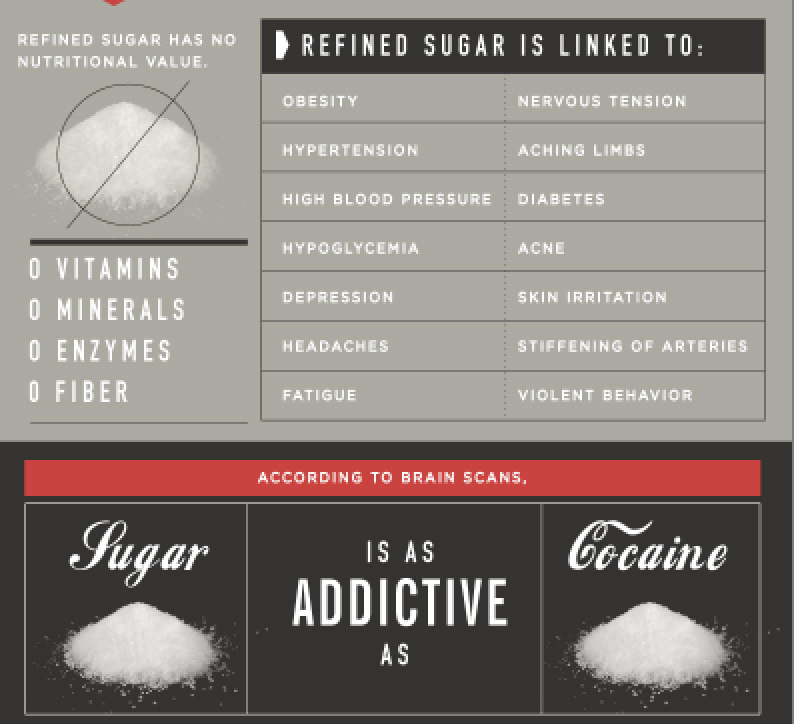
We must honestly evaluate “pleasures” that leaves us emptier or distracted. I hate to say it, but sugar can be an empty promise of pleasure that leaves us emptier. I know others may find TV, shopping, social media, novels, or other outlets promise fulfillment, but leave us emptier in the end. While none of those things are wrong, we are wise to beware that our “rest” isn’t just indulgence. Seasons of indulgence will only leave us lethargic. Though it seems odd, perhaps a way to rest is to fast from something, be it sweets or shopping or social media. The first three days are always hard, but resurrected energy always comes as our flesh burns away a bit and our spirits come through stronger.

-
Determine your people-capacity.
Whether we are introverts or extroverts will greatly influence how our rest periods take shape. I’m an introvert, so I’m being mindful to keep our calendar quieter than usual, especially since I’m always home WITH children all day and we have a full house. On the other hand, I’ll enjoy a few special times with close friends who always fill me up and make me more like Christ (the primary one being my husband!). If you’re an extrovert, this will look different. Trying to do too much solitude will just discourage and frustrate you, instead of fill. Know how you’re wired.

-
Establish structure.
When I have a day of prayer and fasting, the sure-fire way to be frustrated is to just mark the whole day, “Prayer & Fasting.” I just end up hungry, tired, and irritable all day. Although I still struggle with fasting, I find things go MUCH better when I structure my day, carving out specific, intentional time for Scripture reading and prayer. With larger time, like a month, look at a calendar and mark out certain days or blocks of days for certain focuses or recreation activities. Include a relaxing night-time ritual that helps you turn in earlier and establish good sleep.

-
Let the ground lie fallow.
In the 7th (Sabbath) year the Israelites were to let the “ground rest and lie fallow.” During this time they were to let the poor freely enjoy whatever was left. In other words, quit being productive, and be generous. This isn’t a season for “getting ahead.” This doesn’t mean we sit still all day, every day, but we enjoy what Tim Keller calls “avocational” activities — things that are not directly related to your vocation. This is why I take a break from blogging and speaking during this time, but I still enjoy activities like gardening, creative house projects, and, of course, reading. (Remember these great stories!)
You may not be able to take a month of work or even get away, but perhaps consider how to implement some Sabbath rest into your summer, for the sake of your soul. Thank you for your grace, allowing me the freedom to let this blog-land rest and lie fallow for a bit.
I trust that the result will be greater fruitfulness, for us all.
{Until Aug. 31st, thanks for reading.}
*PS I will occasionally pop in and share thoughts or links on the FB page. Feel free to join the conversation there. Thanks so much!

Determining our Point of Departure
I’ve been thinking a lot about Demas.
See, few things in life and ministry are more painful than watching someone you love make poor, even devastating and destructive, choices.
Hindsight’s 20/20, so it’s easy to look back and think of all things you wish you’d done, all the ways you wished you’d intervened, all the ways you “saw it coming.” Thankfully, for every person with a pulse, there is more to his or her story. As long as we have breath, there is hope. Always hope. A good and faithful God who never leaves us or forsakes us, who sees us when no one else does, who seeks us and continually rescues us. He is our constant and eternal hope. We can never outrun His presence.
But for us, as believers, watching a loved one make poor choices can spur us on toward God in two distinct ways:
- We press in and pray more and more for this loved one, interceding on their behalf, because we know it is the will of God that none should perish but that all would come to repentance (2 Pet 3:9, 1 Tim. 2:4). We KNOW we are praying the will of God when we ask Him to bring lost sheep home, so we can rest in confidence that what we ask, in His name and His will, we have (John 14:12-14).
- Secondly, we are wise to note the point of departure and honestly reflect on our own lives, taking a sober-minded account of any ways our own hearts have made this same departure from pure faith in Jesus Christ.
And this is why I’ve been thinking of Demas.
Who? You know, Demas.
Well, probably you don’t know, because none of us name our kids Demas. We don’t study him, emulate him, or talk about him much. Why?
Because he departed.
Demas was one of Paul’s right-hand guys, one of his traveling companions and fellow-laborers. He’s mentioned in Philemon 23-24 and Colossians 4:14.
But then in the last brief mention of him, just 8 short words convey his sad end:
Demas has forsaken me, having loved this present world… (2 Timothy 4:10)
Paul captures so much in this short sentence. He speaks to the personal pain he experienced over this loss. He conveys this “forsaken” feeling.
Paul also so succinctly speaks to the motive behind Demas’ departure: love for the world.
We know from 1 John that we are not to love the world or the things of the world because love for the world and love for God are mutually exclusive (1 John 2:15). The things of the world–pride, ego, lust, fame, wealth–will always keep us from pure devotion to God.
They are never not destructive.
If we EVER are tempted to believe that we can dabble in the world and maintain our devotion to God, we are fooled already. The point of departure’s already there. We are wise to recognize that the temptation toward the world will always be strong, and none of us is above its grip.
If we do sense that our love for the Lord has cooled, and other things have crept in, we are wise to ask ourselves some questions:
- Where was the point of departure? (When was I walking most closely with the Lord and enjoying His power and freedom? Where did the drift begin? Ask God to help pinpoint a time or season.)
- What led to this point of departure? (What was the cause? Were there events leading up? Any new relationships or habits coming or going from my life?)
- Why did I depart? (Why? What was my driving motive or desire? What was the hunger or need I went after? In what way did I love this present world?)
The point of this post isn’t to damper your summer fun *smile* but hopefully to remind us all that we are never out of Demas’ danger. The slow drift begins … slowly. Perhaps this summer could afford time for some sacred reflection on our souls and honest discussion with our Father, asking Him to keep us close, to keep the fire hot, to keep our gaze on Him, that no distraction or competing loves would snuff out our flame of faith.
{May we never depart. Thank you for reading.}